Choosing the right notebook for journaling can significantly impact your writing experience and the longevity of your journal entries. With numerous options available, it’s essential to consider various factors to find a notebook that meets your specific needs. Here are the key factors to consider when purchasing a notebook for writing journal entries:
Paper Quality
The quality of the paper is one of the most critical factors when choosing a notebook for journaling. High-quality paper should be smooth, with minimal bleed-through and ghosting, even when using fountain pens or markers. The paperweight, measured in grams per square meter (gsm), can give you an idea of the paper’s thickness and durability. Generally, paper with a weight of 80 gsm or higher is preferred for journaling, as it can handle various ink types without feathering or blotting.
Page Layout
Notebooks come with different types of page layouts, including ruled, grid, dot grid, and blank pages. The choice of layout depends on your writing style and preferences:
- Ruled Pages: Ideal for those who like to keep their writing neat and organized. Lines help guide your writing, making it suitable for traditional journaling.
- Grid Pages: Perfect for those who enjoy structure and precision. The grid layout helps you create neatly aligned text, charts, and diagrams.
- Dot Grid Pages: Offers the best of both worlds between ruled and grid layouts. Dots provide subtle guidance without being intrusive, making it versatile for both writing and drawing.
- Blank Pages: Best for those who prefer complete freedom to write, sketch, or create without any constraints. It allows for creativity but may require more effort to keep writing aligned.
Binding Style
The binding style of a notebook affects its durability, ease of use, and the ability to lay flat while writing. Common binding styles include:
- Sewn Binding: Typically more durable and allows the notebook to lay flat when open, providing a comfortable writing experience.
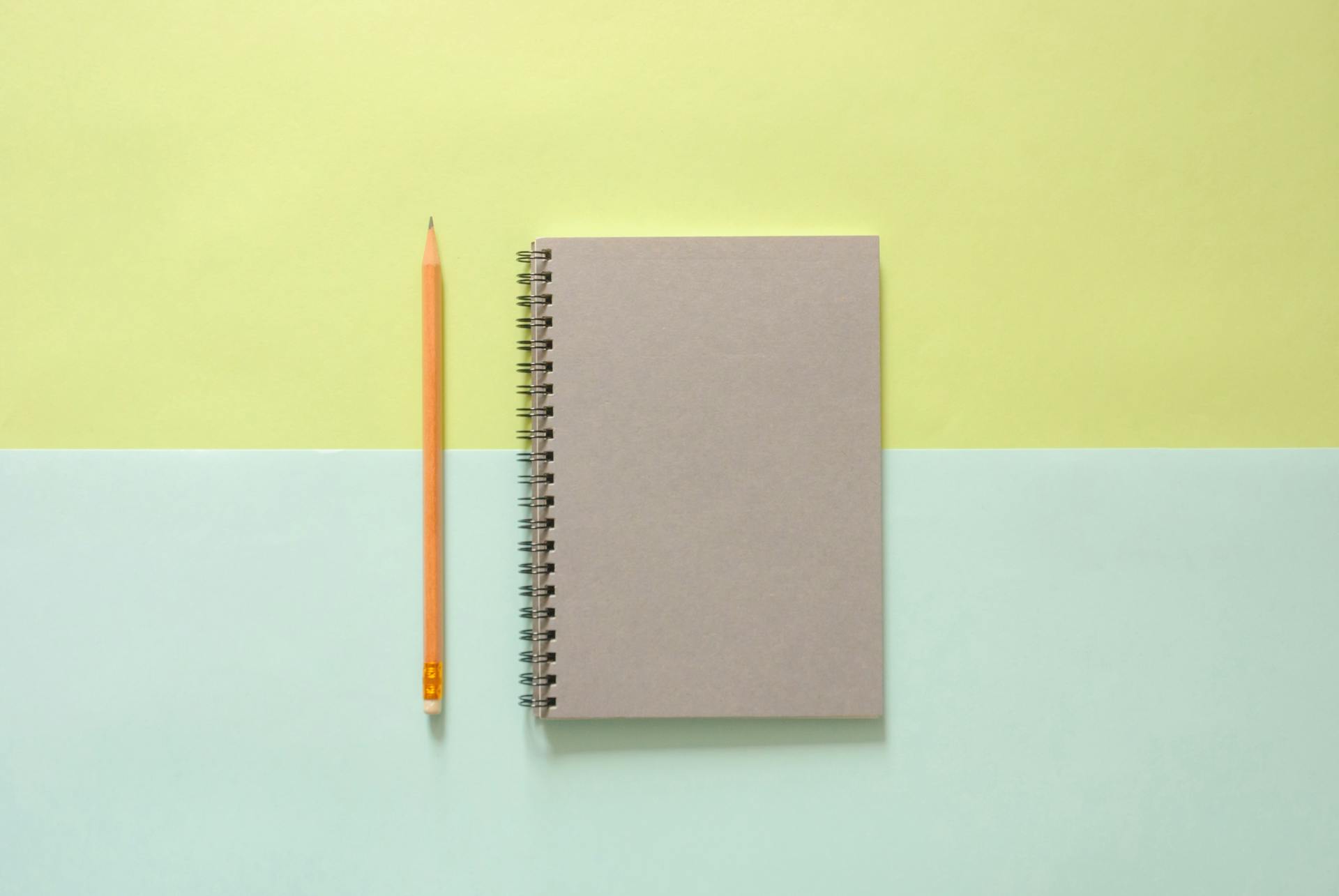
- Spiral Binding: Convenient for flipping pages and often allows the notebook to lay flat. However, it may be less durable over time and can be bulky.
- Glue Binding: Often found in inexpensive notebooks. While not as durable as sewn or spiral binding, it can be a good option for temporary or casual use.
- Disc Binding: Offers the flexibility to add, remove, or rearrange pages. It provides a customizable journaling experience, though it may not be as durable as other binding styles.
Cover Material
The cover material of your notebook affects both the aesthetics and durability of your journal. Common materials include:
- Hardcover: Provides excellent protection for your pages and a sturdy writing surface, making it ideal for journaling on the go.
- Softcover: Generally lighter and more flexible than hardcovers, offering a balance between protection and portability.
- Leather or Faux Leather: Adds a touch of luxury and durability, giving your journal a classic, timeless feel.
- Cardstock or Paperboard: Typically used for budget-friendly options and can be personalized with designs or stickers.
Size and Portability
Consider the size of the notebook based on where and how you plan to use it. Common sizes include:
- Pocket-Sized: Small and portable, easy to carry around for spontaneous journaling.
- A5: A popular choice for its balance between portability and writing space.
- B5: Slightly larger than A5, providing more room for detailed entries while still being portable.
- A4: Offers ample writing space, suitable for extensive journaling at a desk.
Number of Pages
The number of pages in a notebook determines how long it will last before you need to replace it. Consider how frequently you journal and how much you write during each session. A notebook with more pages can sustain longer journaling periods but may be bulkier, while a notebook with fewer pages is more compact but will need to be replaced sooner.
Additional Features
Additional features can enhance your journaling experience:
- Page Numbers: Helpful for indexing and referencing specific entries.
- Index or Table of Contents Pages: Useful for organizing your journal and finding specific topics or dates quickly.
- Bookmarks or Ribbon Markers: Allow you to easily locate the last entry or a frequently referenced page.
- Elastic Closure: Keeps your notebook securely closed and protected when not in use.
- Pen Holders: Convenient for keeping a pen or pencil attached to your notebook.
Conclusion
In summary, choosing the right notebook for journaling involves considering paper quality, page layout, binding style, cover material, size, number of pages, and additional features. By understanding your needs and preferences, you can select a notebook that enhances your journaling experience and preserves your thoughts and memories beautifully. Happy journaling!
If you have a higher budget for purchasing a journal, you may wish to consider Moleskine
Click on this link to purchase a notebook from Moleskine - https://amzn.to/3ByqTa7
This is an affiliate link. We get a commission when you purchase through this link.